


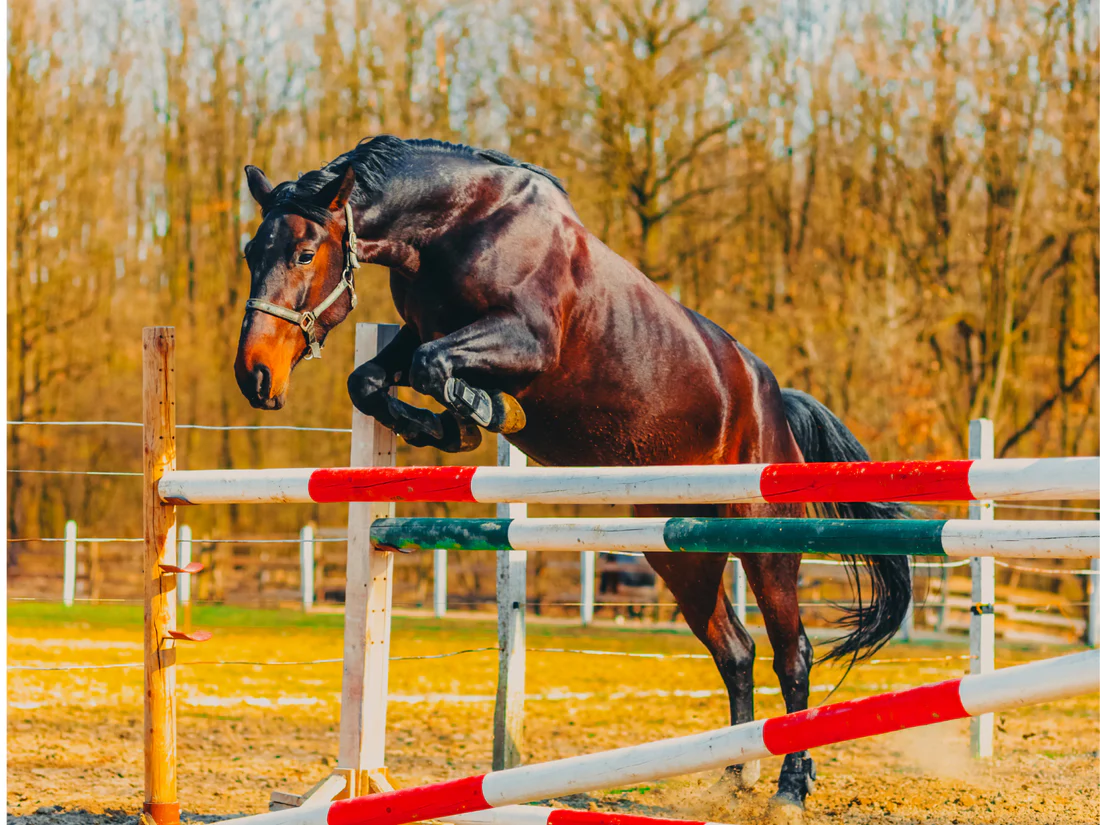
A true horse rider knows that great riding isn’t just about control — it’s about connection. The relationship between a horse and rider goes far beyond commands and reins; it’s built on trust, respect, and understanding. Building a strong bond with your horse creates harmony, improves performance, and turns every ride into a partnership rather than a challenge.
In this guide, we’ll explore simple yet powerful ways to deepen your bond with your horse — both in and out of the saddle.
Spend Quality Time Beyond Riding
Behind every stunning garment lies a meticulous
One of the best ways to bond with your horse is by spending time together outside of training or riding sessions. Grooming, hand-walking, or simply sitting near your horse can build familiarity and comfort. Horses recognize people by voice, touch, and scent, so calm, consistent interactions make them feel safe and connected to you.
process. Let’s dive into the four key steps that designers undertake to bring their visions to life:
- Spend time with your horse daily, not just during rides
- Learn your horse’s body language and respond with respect
- Reward good behavior and stay positive during training
Learn Your Horse’s Personality
Just like people, horses have unique personalities. Some are playful and curious, while others are cautious or reserved. Take time to observe your horse’s reactions — what it enjoys, what scares it, and how it responds to new environments. Understanding these traits helps you adjust your approach and communicate more effectively.
Practice Gentle and Consistent Communication
Horses respond best to gentle consistency. Use the same voice tones, hand signals, and cues during every interaction. Speak calmly and move confidently — your horse will pick up on your energy. Avoid shouting or using sudden movements; instead, build trust through predictability and patience.
Groom Regularly
Grooming isn’t just about cleanliness — it’s a bonding ritual. Brushing your horse’s coat improves circulation, relaxes muscles, and strengthens emotional connection. It’s also a chance to check for injuries, sores, or ticks. Grooming daily (or as often as possible) helps your horse associate your presence with comfort and care.
Train with Patience and Positivity
Training is one of the most powerful bonding tools — but only if done kindly. Reward progress with praise, treats, or gentle pats, and never use force or frustration. Horses learn through repetition and trust. When your horse associates training with positive experiences, it becomes eager to please and more responsive.
Understand and Respect Body Language
Horses communicate mainly through body language. Learn to recognize signs of comfort, fear, or irritation — such as ear position, tail movement, or eye expression. Respond appropriately: if your horse seems tense, step back and give it space. When your horse sees that you respect its signals, mutual trust naturally grows.
Horse Training Tips: Unlocking Your Partnership Potential
Understanding your horse’s natural instincts and communicating effectively can do wonders for your training success. Whether you are teaching a new skill or refining an old one, identify methods that accentuate their willingness and create a balanced, lasting bond.
Experiment with Pressure and Release
Pressure and Release builds clear communication and trust. Don’t be afraid to mix and match different levels of pressure (from a soft touch to a firm cue) to create the desired response.
However, be mindful of instantly releasing the pressure the second your horse makes an effort to avoid overwhelming them or causing resistance.
Reward Thoughtfully
A well-timed reward (a scratch, a moment of rest, or a kind word) is the cherry on top of any training session. It has the power to elevate a simple response or transform an ordinary action into a consistent behavior.
Experiment with different rewards to add flair and express your personal connection, focusing on what motivates your specific horse.
Go for Groundwork Session
Groundwork builds trust from the ground up. Practice leading, stopping, backing up, and turning with your horse on the ground. This teaches respect and reinforces your role as a calm, confident leader. The more your horse learns to trust your direction on foot, the better it will respond under saddle.
Provide Comfort and Routine
Horses thrive on structure and routine. Feed, groom, and ride around the same times each day whenever possible. A consistent routine creates security and trust. Make sure your horse’s stall, paddock, and tack are clean and comfortable — when your horse feels well cared for, it naturally bonds more deeply with you.
Ride with Feel, Not Force
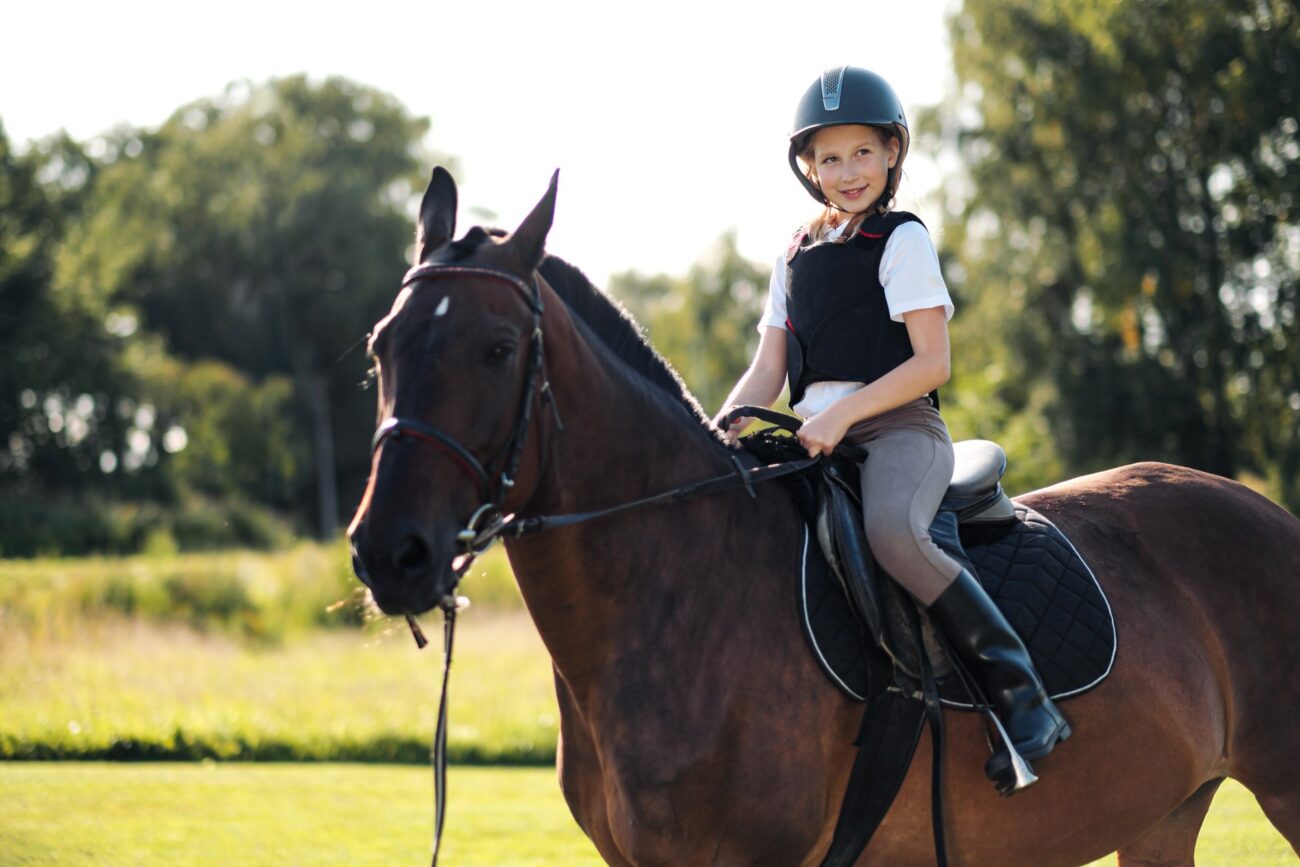
When riding, focus on listening to your horse. Feel how it moves beneath you — its breathing, rhythm, and reactions. A balanced, relaxed rider communicates through subtle cues rather than force. The more you tune into your horse’s rhythm, the more natural your partnership will feel.
Celebrate Progress and Small Wins
Every horse learns and bonds at its own pace. Celebrate small milestones — like standing calmly, following commands, or nuzzling you after a ride. Rewarding your horse’s progress reinforces trust and shows appreciation. Remember, patience and kindness always strengthen the connection more than pressure ever could.
Conclusion
Building a strong bond with your horse takes time, effort, and love — but it’s one of the most rewarding experiences a rider can have. When trust and understanding grow, riding becomes effortless and joyful.
Remember: your horse isn’t just your ride — it’s your partner. Listen, respect, and care for it, and you’ll create a lifelong connection that makes every moment in the saddle feel like pure harmony.
Leave a comment