


Riding on rough terrains is one of the most thrilling experiences for any biker — whether you’re tackling rocky trails, muddy tracks, or steep mountain paths. But with adventure comes risk, and to ride confidently, safety must always come first.
This guide will walk you through the best techniques, safety tips, and pro habits that every rider should master before taking on rough terrains.
Understand the Terrain Before You Ride
Before you hit the trail, take a few minutes to study the terrain. Is it rocky, sandy, muddy, or filled with roots and bumps? Each surface behaves differently. For example, gravel reduces traction, while wet mud can cause slipping. Knowing what to expect allows you to adjust your tire pressure, gear selection, and speed for maximum control.
- Inspect your bike before every ride
- Keep your body flexible and centered
- Maintain steady braking and smooth gear shifts
Advanced Riding Tips: Unlocking Your Partnership Potential
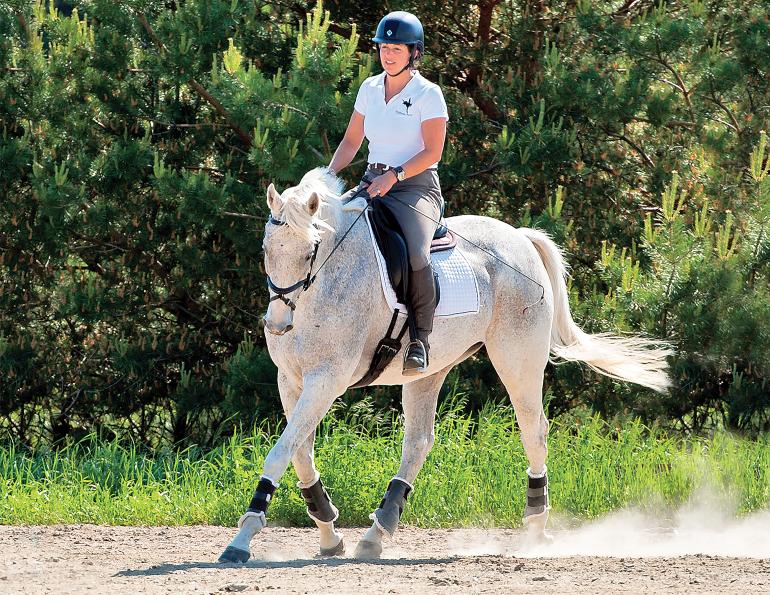
Understanding your horse’s lateral and longitudinal balance and applying subtle aids can do wonders for your performance. Identify training exercises and body control methods that accentuate your horse’s natural movement and create a balanced look.
Experiment with Half-Halts and Transitions
Half-halts and transitions can add depth and control to your ride. Don’t be afraid to mix and match different speeds within a gait (e.g., collected trot to extended trot) to create visually appealing sequences.
However, be mindful of balancing forward impulsion with rebalancing aids to avoid overwhelming your horse or losing momentum.
Ride with Intent and Precision
Precision is the cherry on top of any advanced movement. It has the power to elevate a simple circle or transform an ordinary line into something extraordinary.
Experiment with riding perfect 20-meter circles, accurate diagonal lines, and maintaining a steady pace to add flair and express your personal skill.
Gear Shifting for Efficiency
Riding rough terrains requires smart gear shifting. Shift to a lower gear when climbing or facing resistance and a higher gear on flat sections. Always shift early — not during a climb or obstacle — to avoid strain on the drivetrain. Smooth gear changes make your ride efficient and reduce the risk of mechanical issues mid-trail.
Conclusion
Riding on rough terrains combines challenge, skill, and pure adventure — but safety should always come first. By understanding your terrain, preparing your bike, and maintaining the right body position and control, you can handle any trail with confidence.
Remember, every successful rider builds their foundation on patience, balance, and awareness. With consistent practice and the right mindset, you’ll not only conquer rough terrains but also enjoy the journey with complete confidence and control.

Leave a comment